Why General Practice is Struggling & What Needs to Change
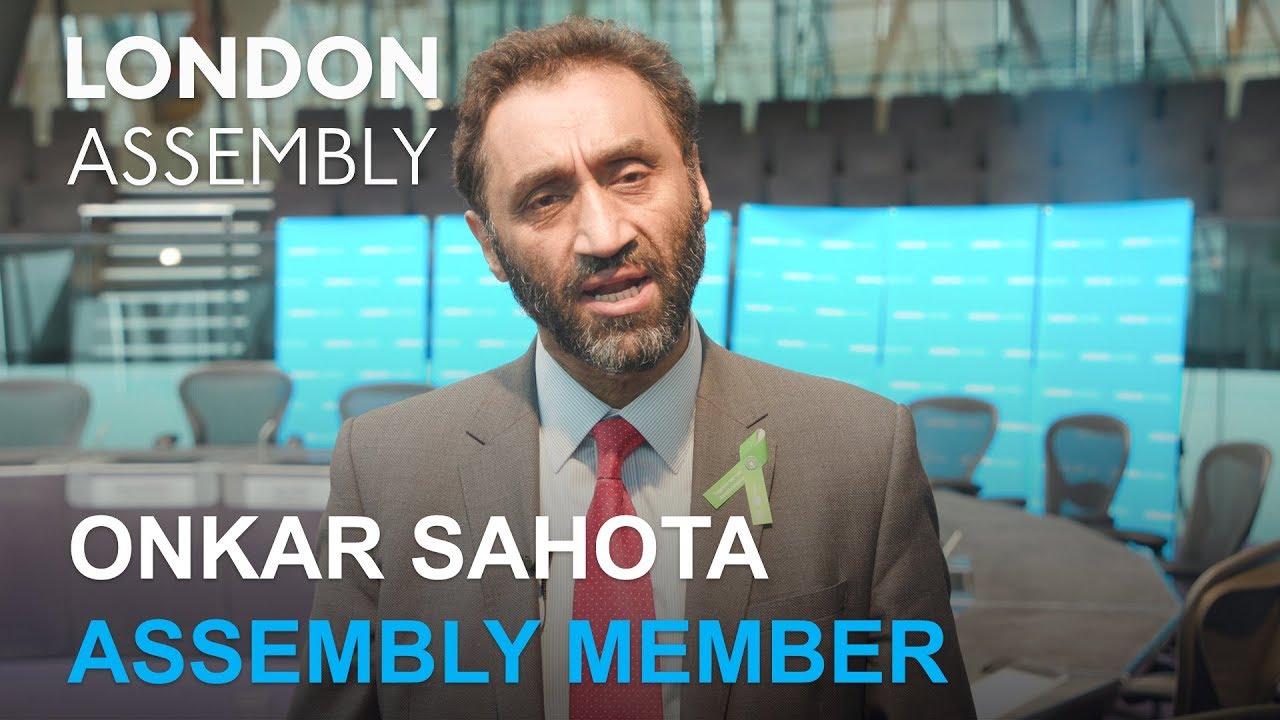
I have spent my career as a GP and public advocate, seeing patients in my practice, witnessing the pressures first-hand and shaping health policy in London and beyond.
The Health Secretary says satisfaction with GPs is rising. Yet patients still struggle to get appointments, and some even become hostile and verbally abusive toward staff. Over Christmas, A&E departments saw a surge in minor illnesses, largely because GP practices were closed or hard to access. Most of these patients were sent home with advice and reassurance, as they did not need treatment.
Behind this visible strain lies a deeper reality I see every day in my practice and in my work with health services.
The expectation gap
From my experience, patients want:
Continuity of care
Holistic attention to their health
A trusted advocate to navigate the NHS and wider social care system
Quick access when necessary
GPs want to provide this, but without better support, investment, and integration, it is impossible to do consistently.
Local authorities expect GPs to co-ordinate health and social care. Hospital consultants expect GPs to manage discharged patients and oversee care they no longer have capacity to provide. Younger patients want quick “one-stop” consultations with tests done on the same day.
This widening gap between expectations and what general practice can realistically deliver is at the heart of the problem.
Hospital specialists have become highly subspecialised. Posts for general physicians and general surgeons in hospitals have largely disappeared. Having a subspecialty does have benefits, but it also makes it more difficult to take a global view of the healthcare needs of a patient in outpatient clinics. Not by design but by accident, it falls on the GP to be the general physician to look at the global care and needs of the patient. It is the GP who is co-ordinating the care advised individually by the cardiologist, nephrologist, orthopaedics and more. Unfortunately, this cannot be done in 10 minutes which is the usual time a GP has with a patient.
Patients increasingly turn to GPs for non-medical issues:
Employment or benefits advice
Housing problems
Tribunal or court reports
Social care assessments
It is frustrating when social workers reframe social needs as medical issues as social workers themselves are so outstretched. This puts the case in the tray of the GP - even if temporarily.
All while GPs are accountable to 14 regulatory bodies. No other health worker faces this type of regulatory regime, no wonder GPs feel trapped between the regulatory regime, the needs of the patient, and their ability to deliver within available resources
Fragmented care makes things worse
The NHS internal market has fragmented patient care. Services may reject referrals or discharge patients before recovery because contracts specify what they are commissioned to deliver. These patients return to their GP, who must navigate a maze of administrative and service barriers to get them help.
General practice has its share of problems with recruitment and retention of staff, compounded by successive governments failing to invest in premises and IT.
There is also a total disconnect between the NHS commissioning general practice services and new house building increased in a neighbourhood. It leaves existing practices struggling to assimilate the increase in patient numbers without any increase in space or GPs. This is a consequence of breaking the link between population and number of GPs in any area.
Also, patients are registered with the practice, not a specific doctor. The concept of a “named doctor” creates an illusion of continuity, the difference is subtle, but significant.
Pressures across the system
The hospital consultants are also overstretched. They are no longer organised as “firms” and have lost secretarial and administrative support. Consultants tell me about booking their own clinics, writing their own letters and collating results to investigations. How things have changed since I was a resident doctor! Consultants are doing more and more virtual consultations, telephone and video, and the work that would be normally done in the hospital by the resident doctors is now being delegated to GPs. Some of the delegation is inappropriate and GPs will push back if they have the energy to do so. Sometimes this is not a pleasant encounter for either the GP or the consultant.
GP's themselves feel that they are struggling and that they cannot cope with the workload. This clearly begs the question of why the perceptions of the health secretary, the patient and the GP's are so different. Are the politicians, GPs and the patients on the same page as to what general practice is intended and can deliver? Baroness Clare Gerada, newly appointed as a Crossbencher to the House of Lords and a former President of the Royal College of General Practitioners, was surprised how little her new colleagues understood about general practice.
The funding mismatch
Primary care, including general practices, handles around 90% of patient encounters, yet it receives only 10% of the NHS budget. This mismatch between demand and funding is unsustainable. Without adequate investment in workforce, premises and IT, GPs cannot meet the complex needs of their patients. investment not only needs to go into workforce development, recruitment and retention but also into new estate and bringing services under one roof.
Lord Darzi proposed polyclinics, later called Darzi Centres, as the flagship policy of the 2007 Labour Government. They became undeliverable during the era of austerity under subsequent Conservative Governments. We need to revive them, alongside house building, so GPs and other community services can work together professionally and geographically. Darzi Centres create the environment and infrastructure to deliver a whole-person approach, focusing on prevention, health promotion, and giving people more healthy living years rather than just treating sickness
Another question that needs to be revisited is how the self-employed contractor model of general practice can be more integrated into the NHS. It may be time to revisit whether the partnership model, in conjunction with the British Medical Association and Royal College of General Practitioners, is fit for purpose now. In London, some 30 years ago, 10% of GPs were salaried and now it is between 60 - 65%.
With the right support and investment, GPs can continue to meet the complex needs of their patients and play the central role in the NHS that they are trained and committed to providing.
A system that must evolve
Patient needs and expectations from general practice are changing and general practice itself must change to meet them. The government must play a central role in enabling and facilitating this transformation. Without action on workforce, funding, premises, service integration and employment models, general practice will continue to struggle and patients will continue to feel let down.

Further reading