From Immigration to Emigration
Updated: Jan 25
What the grandchildren of the Three Pound Generation reveal about Britain’s future
In recent conversations in Southall, my home since the 1960s, it came up that some descendants of those who arrived from India in the years following the Second World War are now leaving the country and setting up new lives in Dubai and elsewhere. These are the very people whose parents and grandparents moved to England seeking a brighter and more secure future, as India was financially securing itself after a bloody partition as part of the independence India secured in 1947 from Great Britain - a country which they no longer see or feel exists for their own children.
They are known as the children of the “Three Pound Generation” (TPG) because their forebears were only allowed to bring three pounds in foreign exchange when leaving India, which was rebuilding after the Partition of 1947.
Britain too, had been economically and physically damaged by the war, and the TPG were welcomed even by Enoch Powell, then Minister of Labour, to help rebuild the country. My own father was part of that generation who settled in Southall in the late 1950s. What has changed in the course of time over one or two generations?
The Three Pound Generation
The TPG were a sub-section of the Indian population who were entrepreneurial, ambitious and hardworking. They would have succeeded anywhere, even if they had stayed in India, but the route to success was seen to be easier and more adventurous in the United Kingdom, where you were rewarded for hard work and paid weekly. Success to them was that their children should have a more comfortable and easier life than them. This is still the aspiration of every parent, and all governments try to deliver this for their citizens. It really got me thinking about what has happened from the 1950’s to now to change the perception of the people choosing to leave the country when their grandparents and parents chose to come to this country for a better future.
We should not forget that the TPG were from well-off families who were relatively wealthy by Indian standards. To illustrate the point, the airfare from India to England in 1958 was £200–300 one way, and a terraced freehold house cost £1,500–2,000. Their intention in coming to England was to work hard, make money from their efforts and entrepreneurship, as well as send money back to India to improve the lot of their families. They were not attracted by the welfare state, they were attracted by the aspirational opportunities available to them.
Why Southall Became “Little India”
The TPG took jobs wherever there was a vacancy, be it in a foundry, factory, kitchens, or as janitors. When they arrived at Heathrow Airport they had the address of a friend or acquaintance from their part of India who was prepared to put them up and feed them until they got a job themselves. Southall was near Heathrow, and the Personnel Manager, Mr Duncan, at the R W Wolfe Rubber Company factory on the Hayes-Southall border was happy to employ Punjabis knowing that they were sincere and hardworking people.
This explains why Southall has a large Punjabi population and is affectionately known as “Little India”.
From Factory Floors to Political Influence
It is the TPG that, through their endeavour and diligence, converted their three pounds into multimillion-pound businesses and saw their children become professionals, professors, politicians, philanthropists and Cabinet members. Their focus changed from sending money back to India to recognising that their future, and that of their descendants, was in this country. They started investing financially and psychologically into the country, despite having faced discrimination and racial hatred.
The TPG were politically active as well. When they were working on the factory floors, they joined the Labour Party, showing solidarity with their co-workers and recognising that it was the post-Second World War Labour Government that agreed to the independence of India in 1947. They formed the Indian Workers Association (IWA) to fight civic injustices and as a self-help organisation for the newly settled Indian population in the UK. The IWA became a powerful political lobby in this country, countering the right-wing National Front.
I was present in 1979 when the IWA led the resistance to the National Front when they provocatively held a meeting in Southall. It was a former President of the IWA, Mr Piara Khabra, who became the first Indian MP for Ealing Southall and he was from the TPG. It is the descendants of the TPG who are no longer feeling comfortable in the Labour Party and have joined other political parties, particularly the Conservative Party, in large numbers.
Two Generations On
It is important to recognise that the immigrant population in the UK is not a homogenous sub-population. Those who settled here between the 1950s and 1980s, including the TPG, will have different objectives, aspirations and viewpoints from those who arrived in the 1980s onward, whether for political, economic or professional reasons. The descendants of the TPG will have the same aspirations for and commitment to this country as middle-class English families.
So why is it that some 11,000 millionaires, including some from the descendants of the TPG, have decided to leave this country and move their domicile elsewhere?
Tax, Fairness and the Decision to Leave
A recurring concern I hear is the inheritance tax regime. Many feel it is punitive. Inheritance tax is an alien concept to Indians, particularly to people from Punjab, who are farmers by background and for whom agricultural land has never been taxed. In fact, India abolished inheritance tax altogether in 1985.
People who make a profit should pay taxes, and those with the broadest shoulders should carry the greater burden. The problem arises when the system appears unfair. Seeing big corporations avoid their responsibilities or noticing that hard-working people’s taxes are used to disincentivise others, people understandably feel resentful.
The principles that attempt to explain unfairness in the tax regime are the Laffer Curve and tax morale. Working people in the UK are now feeling that they are being overtaxed and not getting in the public services what they were promised.
This will become the grindstone around the government for the next election unless these concerns are addressed.
The Role of Government
Governments would do well to remember that they do not create wealth or growth in the economy; they help entrepreneurs and businesses to do that through their policies. The government takes a cut from the wealth creators, called tax, which they distribute to those less able to help themselves and provide public services for the benefit of all. When that balance gets distorted, wealth creators have no incentive to work hard and may pick up their bags and go elsewhere.
In business, there is a difference between managers and entrepreneurs. Managers administer systems; entrepreneurs are essentially leaders selling a vision. Civil servants are the managers; governments need entrepreneurs in putting out the vision for the country and creating buy-in from the people. Failure to do this risks scoring a political own goal at the next election.
What Has Changed Over Two Generations?
I find it deeply ironic that the grandchildren of those who came to this country as immigrants with just three pounds in their pockets for a bright future are now emigrating because they do not see a bright future for their children.
Something has changed in this country. The question is, what will change to reverse this trend?

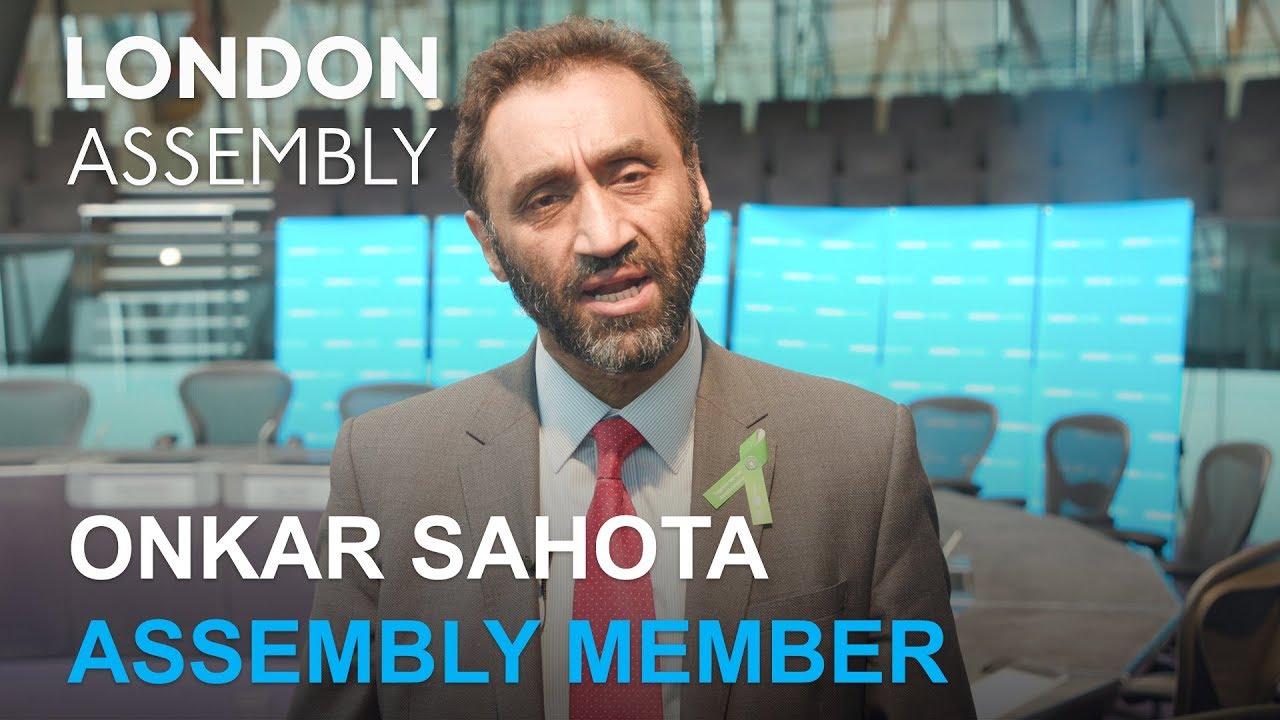
Dr Onkar Sahota MBA FRCGP
Former Chair of the London Assembly Health Committee & GP